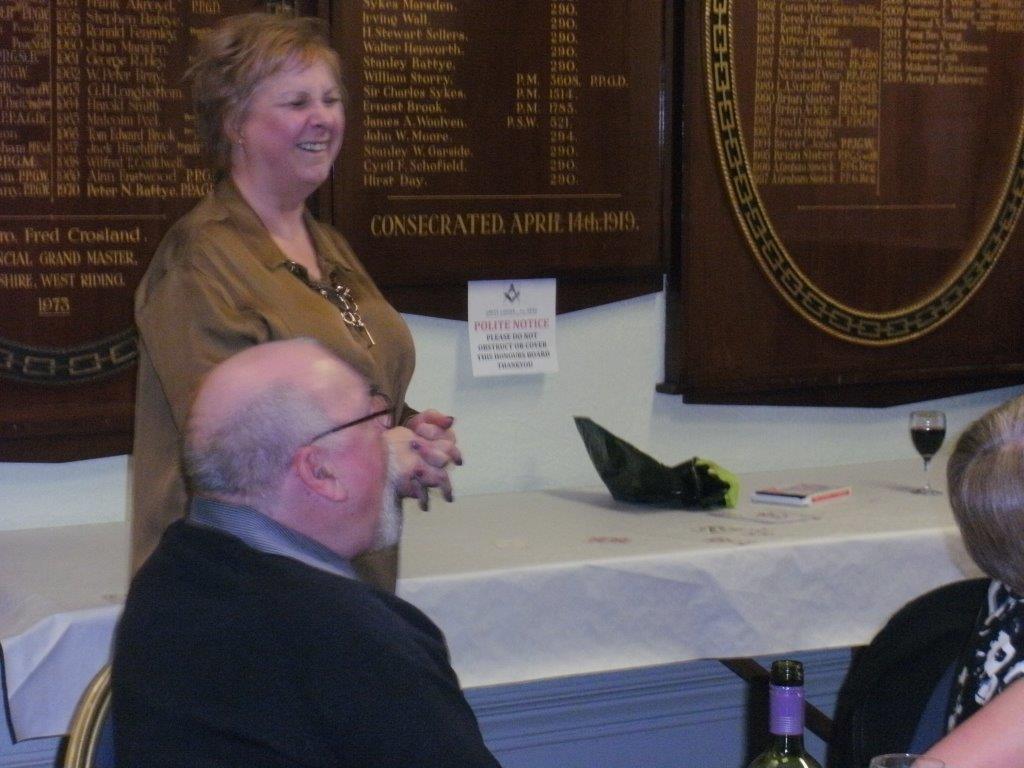
Huddersfield Petanque club can help you along the way…
Petanque is a game and a sport. Most new players tend to start off by thinking it’s more of a game than a sport. They turn up and throw their boules, have a laugh and a chat and maybe a cup of tea and are grateful for the good company, the light exercise and the fresh air.
![]()
 After a while and by watching other more experienced players people start to want to improve their game. Clubs offer informal coaching from experienced players during social games but now and again a regional coach is brought in for more advanced coaching. Novices turn into sound club players and develop skills such as shooting, walking up to the head to look at the position and taking time to prepare for their next throw. They are already learning there’s more to it than they first thought – there’s a lot more depth to what seemed at the outset a simple game. In fact it’s a sport and you can develop from an amateur to a non league player to an international.
But where do you want to go with your petanque adventure? Do you want to improve as a player? Do you want to play in a competition? At your own club or at another one nearby? Would you play in a league game for your club? Would you travel for an hour or more to play somewhere distant? Would you play a game against a team with an England international in it? Would you travel to a foreign country to play?
Opportunities exist to do all these things for members of Huddersfield Petanque club. But you’ve got to want to do it. The club can’t make you. The desire to play at a higher level and at other places has to come from the individual member.
We already offer for free a monthly melee on the first Sunday. Most members know about this and it’s usually well attended and we have a winner every September and March. It’s non threatening and social players mix in with more competitive types and it’s good fun.
Now and again we offer pound melees where for a small stake someone can win a tenner (and maybe second place a fiver). These are only with fellow members and provide competition level games with only a small outlay.
Every month in the summer and some winter months we put on a pairs or triples event where you keep the same partner and it’s a £2 entry fee. We call these Open events as players from other clubs can attend but not many outsiders turn up.
 We’ve started a policy of playing other clubs with as many as 18 members travelling to their terrain and playing a whole day of petanque (often with a lunch thrown in). These days are a good day out and cost nothing to the players and offer a similar mix of playing levels – some good some less good – and we hope to continue this.
Harrogate are already on the list for 2018 and probably Mansfield and Chesterfield.
In the summer many clubs offer all day melees. Turn up on the day and play 5 games starting at 1030 with a lunch intermission. The level of competition is mixed – some strong players but a good mix with probably more social players that others. HPC has achieved podium finishes at these events where there are often 50 plus players. The best one is at Stockton on the Forest near York.
But at this point you have to decide on whether you want to move further along the road or stay in your comfort zone. Playing at a higher level means that individuals have to specialise and choose whether they want to be a pointer or a shooter (or indeed a milieu) and they have to think and talk a lot more and decide which is the best action for the game on the ground. Some baulk at this quoting the “It’s only a game” mantra but some adapt to the higher level skills needed.
League matches means a step up in level. You’re not just playing members from another club -you’re playing the best players from another club and that’s a different thing. We currently play in one league with 8 fixtures of 5 games each. If you want to play at this level you should attend the team development talks we offer and start learning the rules and the techniques and strategies that win matches. At this point it’s worth getting a regular partner who complements your skills. Every shooter needs a pointer and every pointer need a shooter. Triples need someone who can do both.
One day you and your regular playing partner might decide you want to enter a weekend competition at another club in the region. There’s something every weekend in Summer in our region and every other weekend in winter. The entry fee is higher; the cash prizes are higher and the players tend to be the top players at their clubs so you’re meeting players as good as your club’s best players every game. There’s not many easy games. It’s easy to be overawed by the level of skill and grasp of tactics and commitment to the game at these events but playing against better players makes you a better player. It may take a few events before you win your first game at this level but stick with it – it’s good for you. These events do turn up at your home club a few times a year and many players have a go but you need to play at this level regularly to maintain your improvement.
This year Northern events are changing so there are gold, silver and bronze levels. Higher levels events have a higher entry fee but bigger prizes and you need to hold a northern or EPA licence. Ask a committee member if you want to know more.

![]() If you want to play for Yorkshire (or northern region as they call it round here) you can. You have to enter the qualifiers (that’s 3 days of competition) and hope that your performance earns you a call up to the squad. If it does you get to wear a northern polo shirt provided free for players in the squad.
If you want to play for Yorkshire (or northern region as they call it round here) you can. You have to enter the qualifiers (that’s 3 days of competition) and hope that your performance earns you a call up to the squad. If it does you get to wear a northern polo shirt provided free for players in the squad.
However there will be many who enter this process and there are only a limited number of places in the squad. At this level you need to be a full licence holding member of the English Petanque Association. It’s also worth investing in a quality waterproof, some cold weather clothing and a thermos flask.
If you do succeed in the qualifiers you may end up playing for the region anywhere in the UK and every year in September the region joins all the other regions at an end of season competition at Hayling Island where over a long weekend regions win or lose or are promoted or relegated.
The best players from the regional events are invited to play for England. There are home internationals and eventually world championships. There are quite a few England internationals in the region. They tend to wear their England shirts (and why not?) as they play around the region. They’re just ordinary people who decided to practise and improve and achieved recognition for their efforts.
Some people take a giant step and play in tournaments in France or elsewhere. There are a couple of monster events at Millau or Marseille with thousands of entries and you could end up playing against the very best in the world. At Millau in France you can enter for €5 and win a prize of €1,000. It’s a long weekend away and will cost a few bob although I have yet to try it but the cool thing is that anyone can enter regardless of their ability and it will probably be a great weekend (the wine and cheese alone is worth the trip). Marseille 2017 had 4,152 teams, 12,456 players with 348 players from outside France. Millau is changing its format after it grew so big that it caused traffic jams in the city.
![]() The announcement of the candidacy of Boules Sport for the 2024 Olympic Games has cast the spotlight on sports which are still not well-known. Petanque, Boule Lyonnaise, & Raffa Volo are represented in 165 countries with over 200 million players. 67 countries have won medals at a world championship. Bocci and bocce are played worldwide as well as many other variants.
The announcement of the candidacy of Boules Sport for the 2024 Olympic Games has cast the spotlight on sports which are still not well-known. Petanque, Boule Lyonnaise, & Raffa Volo are represented in 165 countries with over 200 million players. 67 countries have won medals at a world championship. Bocci and bocce are played worldwide as well as many other variants.

Sport Boules is already present in the largest multi-sport global events: World Games, Mediterranean Games, Asian Indoor Games, S.E.A Games, All Africa Games, Pacific Games, Commonwealth Games, Islands Games (Indian Ocean), Asian Beach Games.
Fancy being an Olympian? It could be you.
So where are you? Happy to stay local and keep rolling or ready to move up a level or two? Whatever you want HPC will support you on your journey. We have players in our club who have played at higher levels. Ask them what you want to know. We’d love to help you spread your wings and move up a level. Who knows where you’ll end up?
If you don’t want to that’s also OK. Stop at the level where you are comfortable but never stop trying to improve your game. We would like all HPC members to reach the level of a sound club player able to help new players begin their petanque journey. We were all beginners once…
The journey of a thousand miles begins with a single step. – Lao Tzu. He wasn’t a petanque player but he was quite a good pointer.
Happy New Year!!
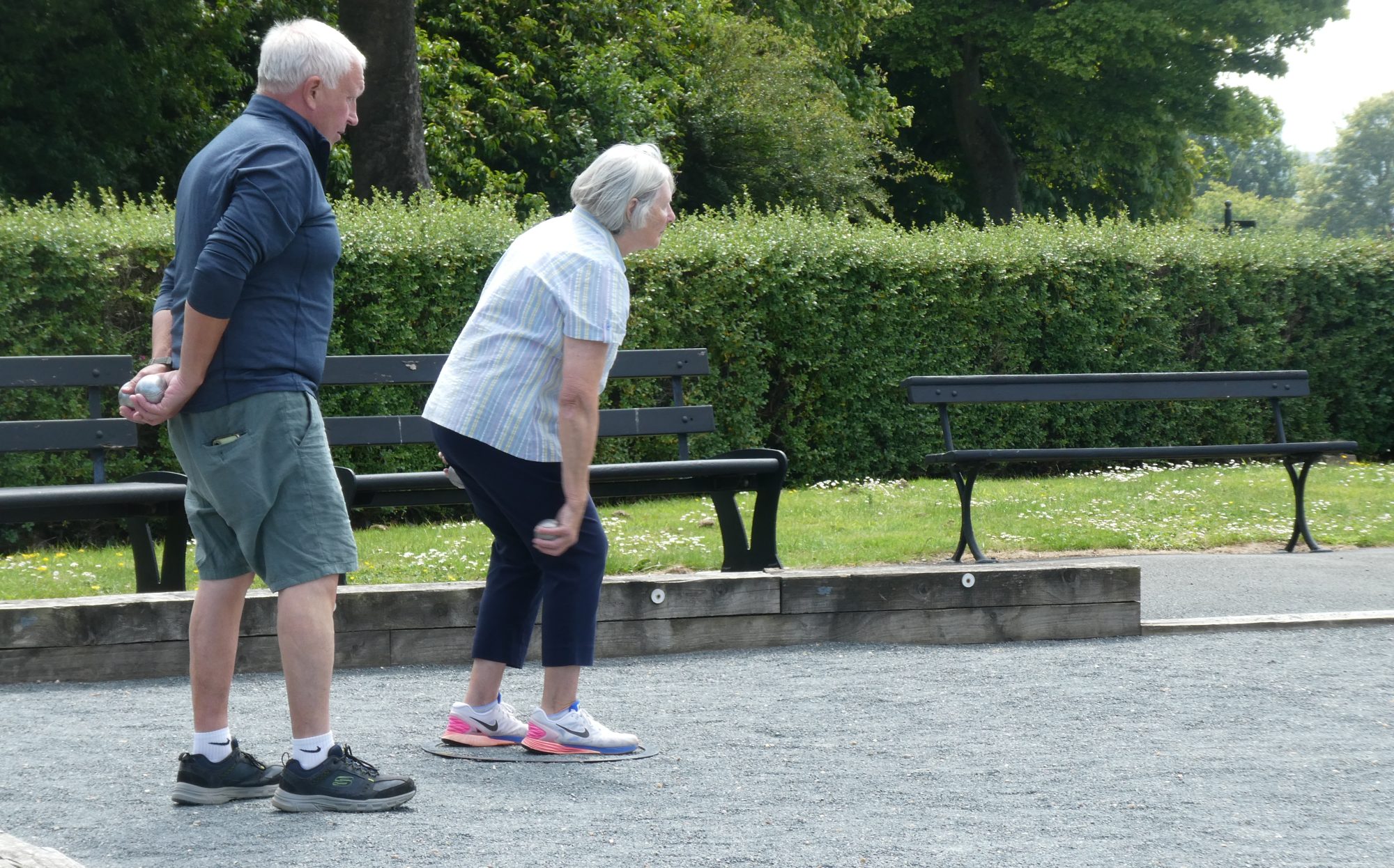
 …for the title of winter melee champion and it will conclude on March 4th with the final members melee of the winter. Pete will win unless Rita overtakes him. We’ll see in a month.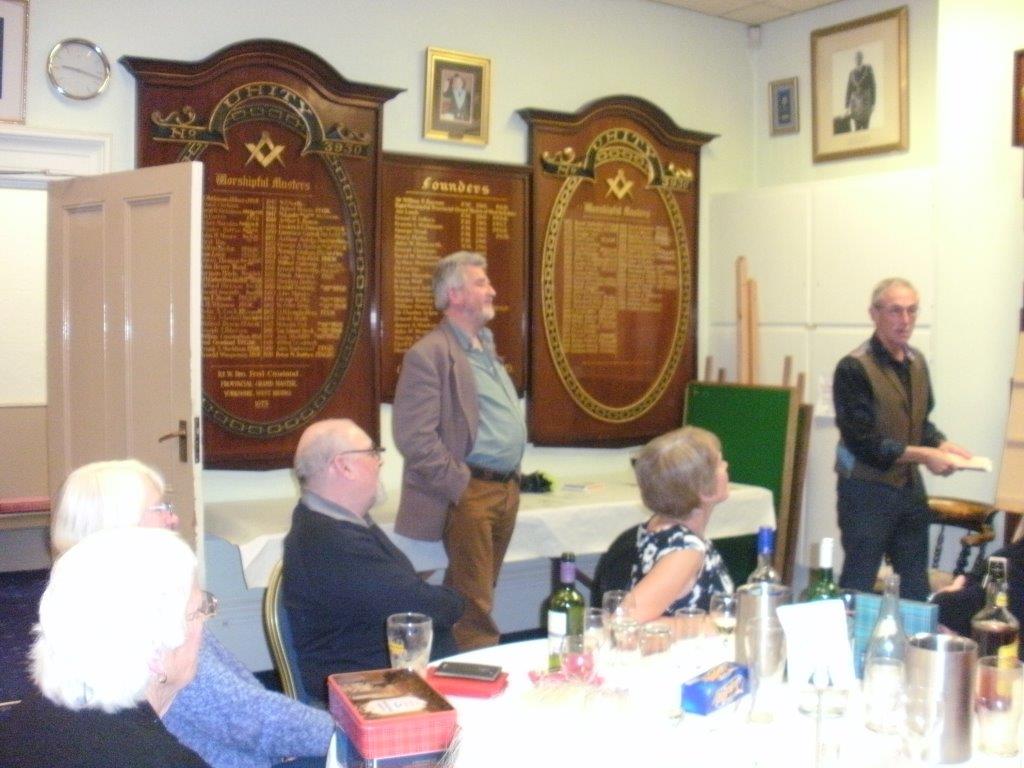



 Huddersfield Pétanque